This was a rough year. I felt like I was rushing and pushing to get tasks done, which sucked. However, it was still a successful year.
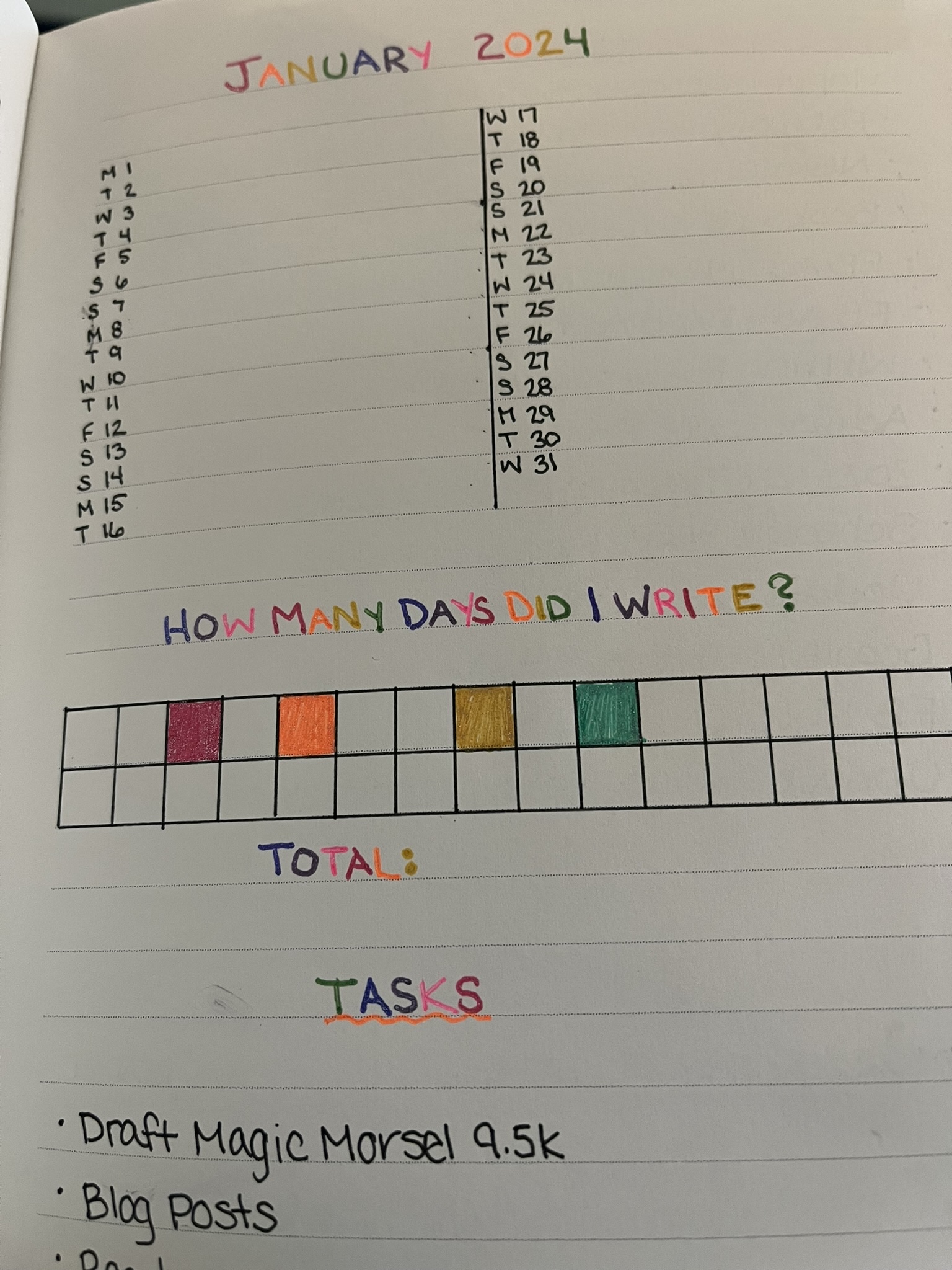
This blog post is my last official writing task for 2023, and then I'm taking a two-week break (aside from working on my Bullet Journal, but that's more meditative than work-related). I need it. I'm exhausted. =P
Let's see how I fared with my goals overall...
2023 Publications
❦ Fairies - Fractured & Uncut (Fractured Fairies Collection)
❦ Dead As Dreams (Saga of Souls & Dreams)
Yes, I published both titles I'd intended to this year! Dead As Dreams being complete is the accomplishment I'm most proud of, though.
2023 Progress
Go ahead and pop over to 2023 - Year of Death and Dreams, if you'd like to compare this year's goals to what I actually completed.
❦ Revised, Edited, and Formatted Dead As Dreams (squee!).
❦ Revised/Expanded Immortal Woes.
❦ Edited and Formatted Fairies - Fractured & Uncut.
❦ Yet again, no words added to Gemini's Echo - this novel is going to turn into the new Dead As Dreams isn't it? You know, where I keep intending to work on it, but it keeps getting put off while I focus on other writing projects.
❦ Newsletters - sent out 6, but not all when I'd scheduled... Had to do some rearranging - heh.
❦ Born to Write - I kind of dropped the ball on blogging once per month. Other tasks and situations took precedence, though.
❦ Social Media - I've pretty much completely cut Twitter (sorry, not calling it the stupid new name) from my time and attention. Good riddance. But I've started posting videos to TikTok - this is way more satisfying, as I love the creativity that goes into making videos.
❦ Marketing - Yes, I got through more Ads for Authors courses! That was earlier this month. I did the Facebook Ads courses, and then I was ready to start some good, targeted ads, when Meta decided it would add a new "feature" that was preventing me from choosing an option on how to run my ads. I'm still waiting for them to fix this "feature" (they said by the end of this month - I'm not holding my breath), and then I'll be running a couple ads, including one to build my newsletter subscribers.
Guess what time it is? Number crunching time! Some hate it, I love it, so I'm throwing the numbers at you no matter what.
❦ No drafting done, since I spent my time revising and editing (though at the end of Dead As Dreams the amount I had to rewrite made it feel like I was drafting!).
❦ I revised a total of 73,687 words.
❦ I edited a total of 255,415 words (yikes!).
❦ 245 hours spent writing, revising, and editing (yes, I did double that number from last year).
❦ 53.75 hours creating cover art, formatting, and publishing.
❦ And the final total is (excluding reading and Haunted Unicorn jobs)... 424 hours spent on writing and writing related tasks! Last year I almost hit 190, so I more than doubled my time. No wonder why I feel frazzled. Also too many writing tasks that weren't actual writing, revising, or editing.
I honestly didn't realize how much time I put into writing this year until I typed up the numbers for the post (I hadn't even glanced at the totals on my handy spreadsheet before starting this post). I mean, I know it's not full-time hours, but I'm pretty amazed at all that I accomplished. Now to find a better balance, so I don't feel like I'm running as fast as The Flash to complete some of the tasks - lol.
How'd everyone else do in 2023? Writing or other goals?